Voltus—Designing and Scaling a Complex Energy Platform
Leading UX across reporting, hardware operations, and design systems in a high-stakes energy SaaS platform — shaping how I approach trust and decision-making in AI workflows.
No 1Context & Scope
The Challenge
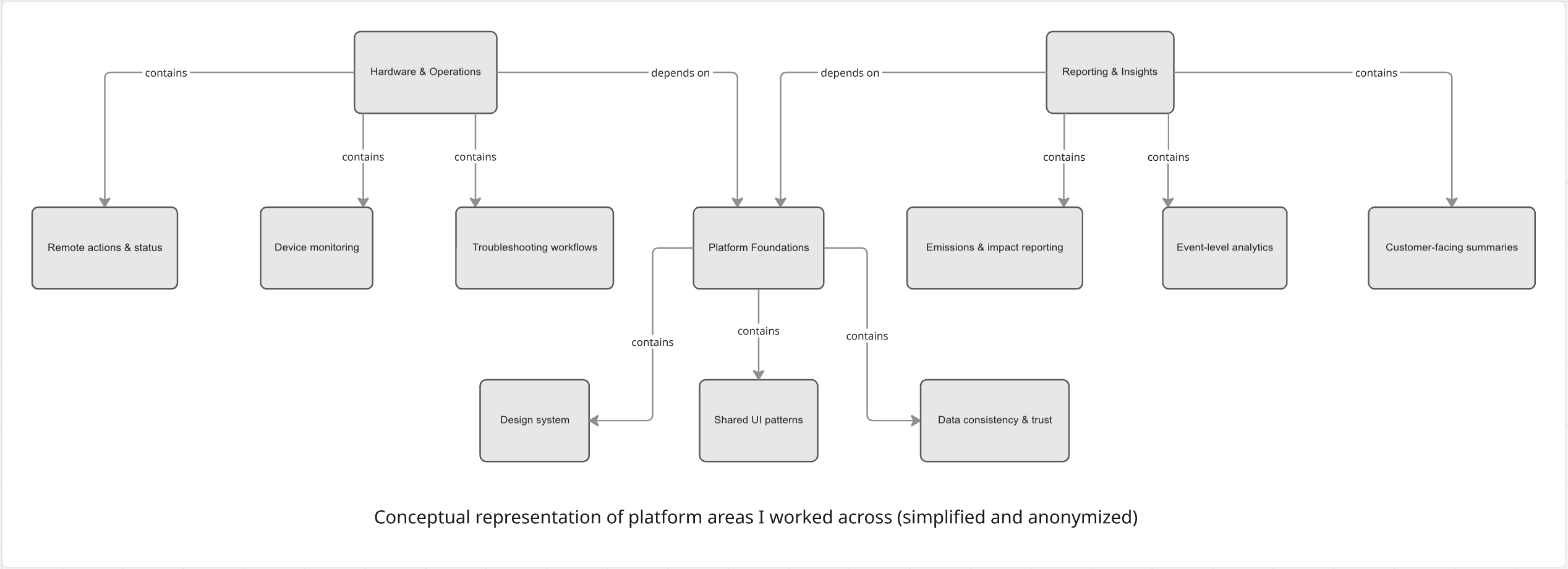
Voltus operates a complex energy platform used by internal teams to monitor load, manage hardware, and report environmental impact — all under time-sensitive, revenue-critical conditions.
As the product scaled, UX challenges emerged across:
• Data-heavy reporting
• Operational hardware workflows
• Inconsistent design foundations
My Role
Senior Product Designer
Led research, interaction design, and system improvements across multiple high-impact initiatives.
No 2Design Philosophy
Expert Tools for High-Stakes Environments
Designing for Voltus meant operating in a space where "UX debt" had real-world consequences. These were not consumer flows; they were mission-critical tools where:
• Accuracy: Incorrect data directly translates to lost revenue for enterprise partners.
• Speed: Slow workflows in hardware management lead to missed dispatch events.
• Scalability: Inconsistent design systems increase engineering friction as the product grows.
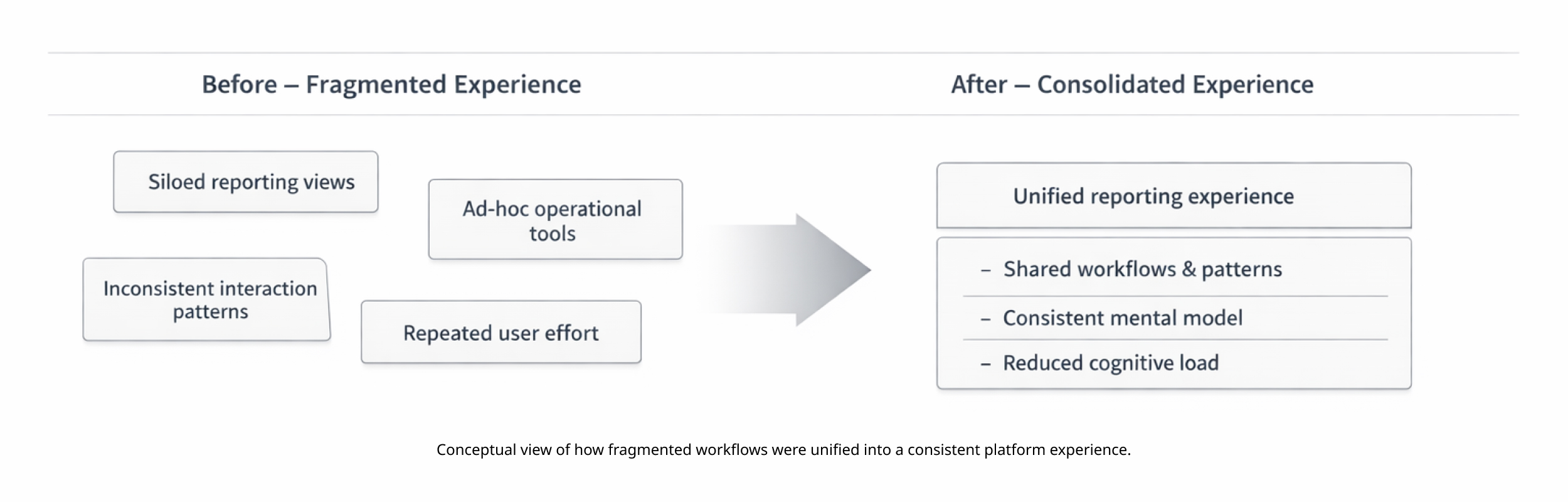
My focus was to centralize fragmented workflows and create a shared language between design, data, and engineering.
No 3Deep Dive #1: Carbon Impact Reporting
Problem
Customers and internal teams lacked a clear, trustworthy way to understand the carbon impact of demand response events — despite having the data.
• Was hard to interpret
• Required domain knowledge
• Didn’t clearly communicate value
Approach
• Partnered with stakeholders to clarify business and user goals
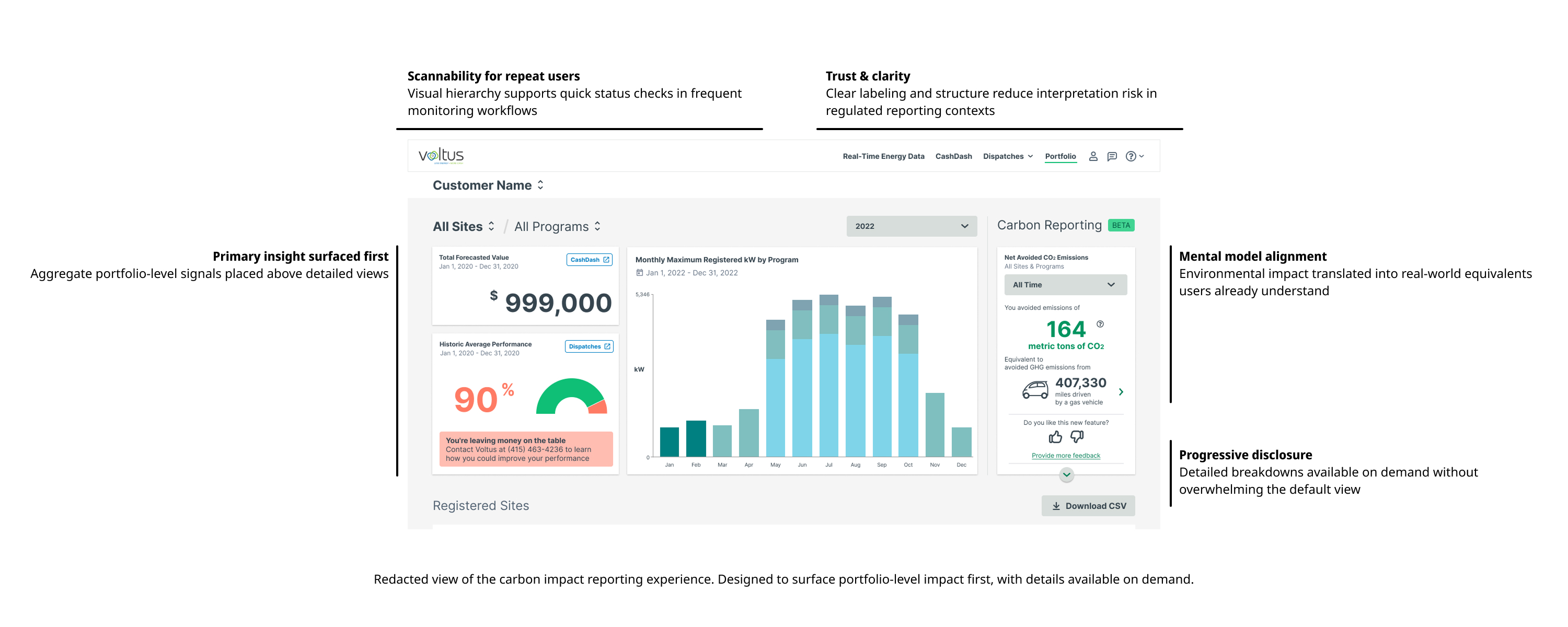
• Designed flows that translated complex energy data into understandable insights
• Balanced precision with readability
This feature has since been publicly released and referenced by Voltus.
View public product overview →
No 4Carbon Reporting — Outcomes & Tradeoffs
Outcomes
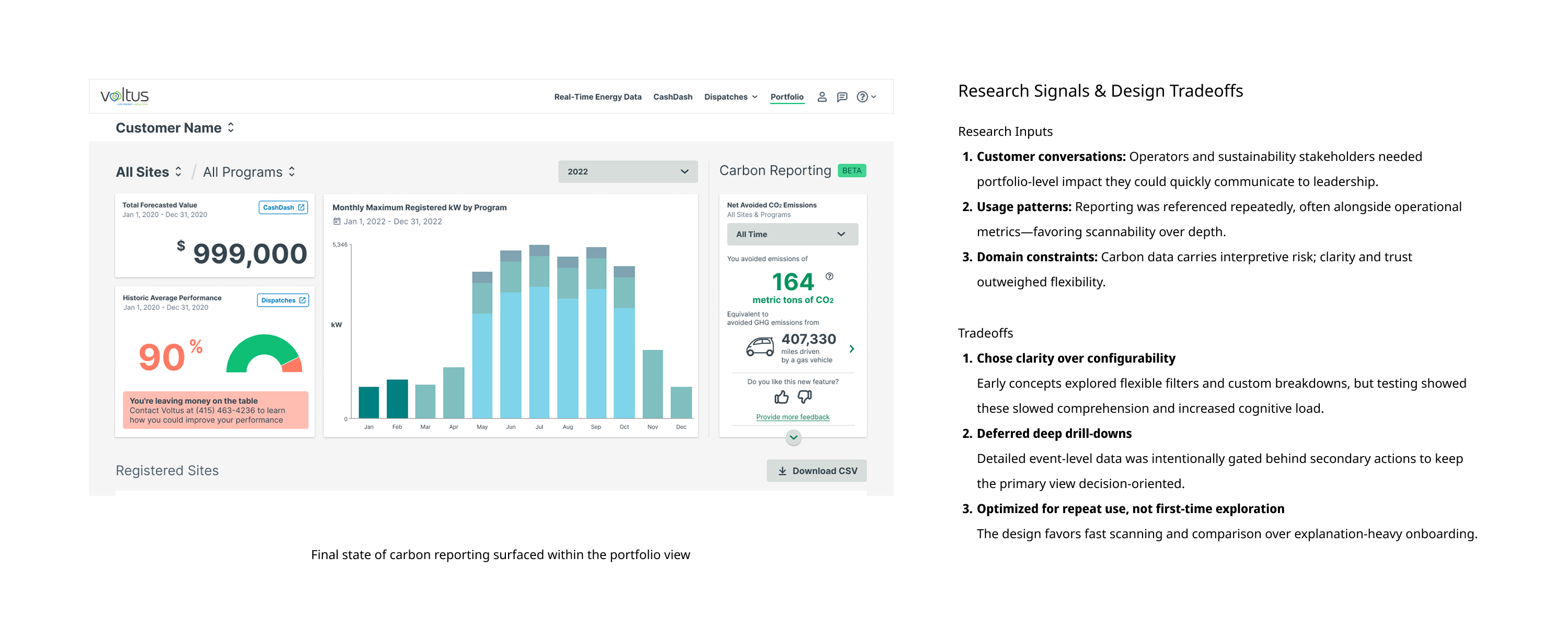
• Introduced a premium reporting experience aligned with customer expectations
• Improved clarity around environmental impact
• Strengthened trust in Voltus’ data and reporting capabilities
Key Tradeoffs
• Prioritized interpretability over raw data density
• Deferred edge cases to avoid overwhelming first-time users
No 5Deep Dive #2: Hardware (Voltlets) Management
The Problem: Operational Fragmentation
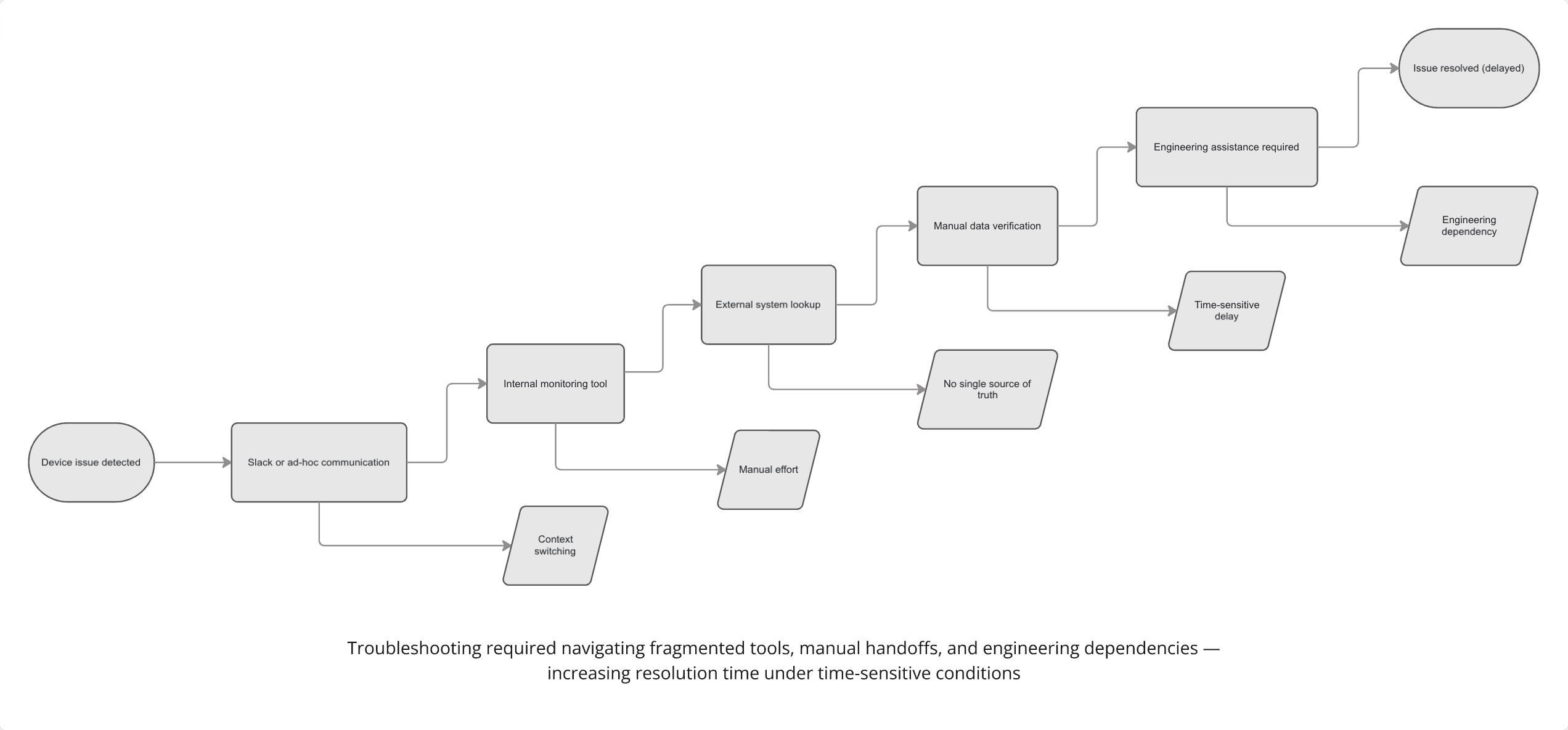
Troubleshooting "Voltlets" (physical monitoring devices) was a manual nightmare. Field engineers had to jump between Slack, internal database lookups, and external monitoring systems just to perform a simple reset.
The Solution: A Unified Control Plane
• Consolidation: I designed an in-app hardware management experience that pulled real-time device health into a single view.
• Self-Service: Enabled remote resets and diagnostic triggers, removing the "Engineering bottleneck" for routine maintenance.
• Role-Specific Clarity: Created tailored views for Field Engineers (diagnostic-heavy) vs. Dispatch Ops (status-heavy).

No 7Deep Dive #3: Design System & Color Tokens
From 100+ Colors to a Scalable Token System
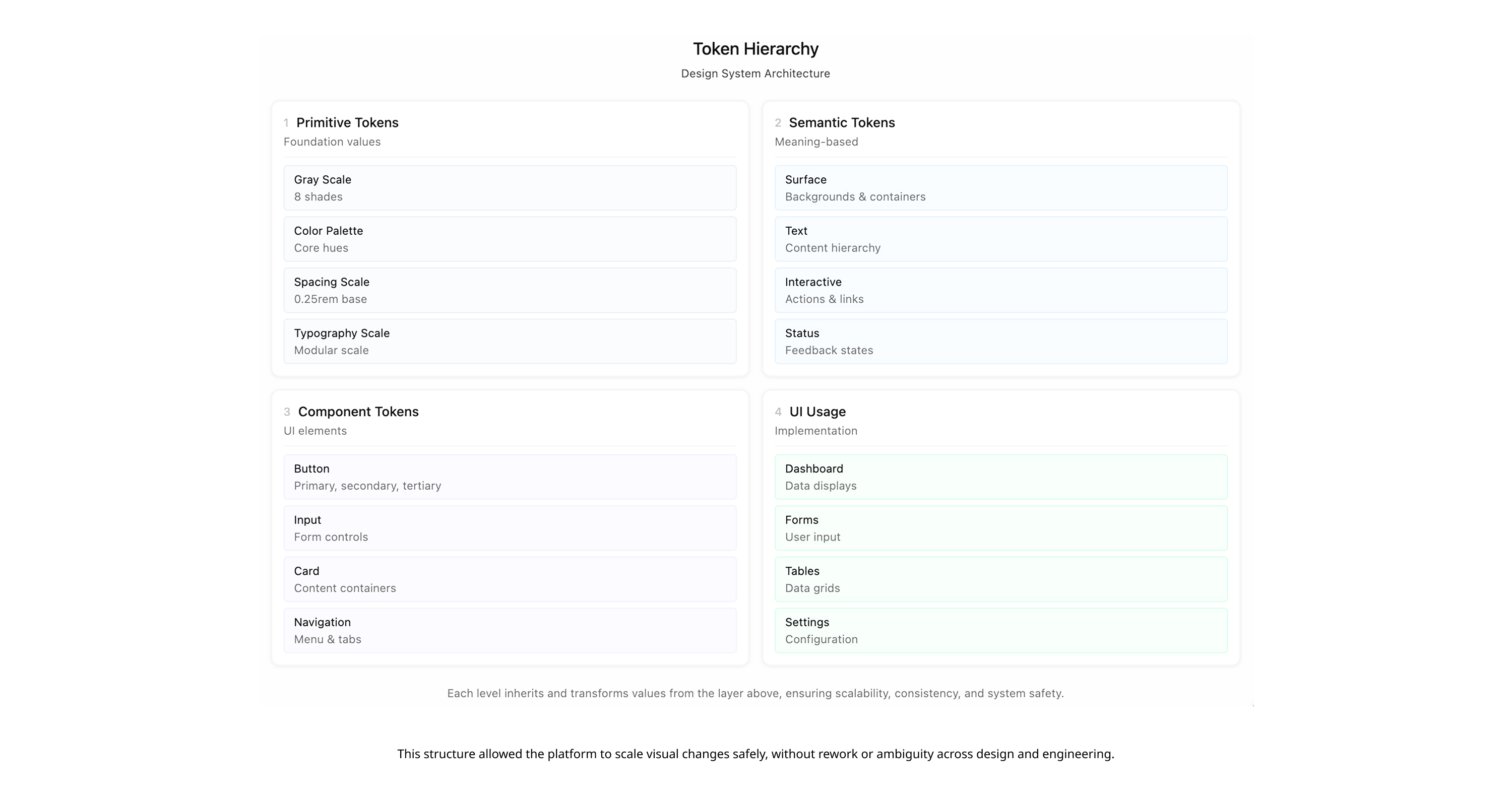
As the platform scaled, the UI suffered from "Color Drift." We had over 100 hard-coded hex values, making global changes risky and confusing engineers.
The Initiative: Semantic Systematization
• The Audit: I led a cross-functional audit to reduce the color library by ~40%.
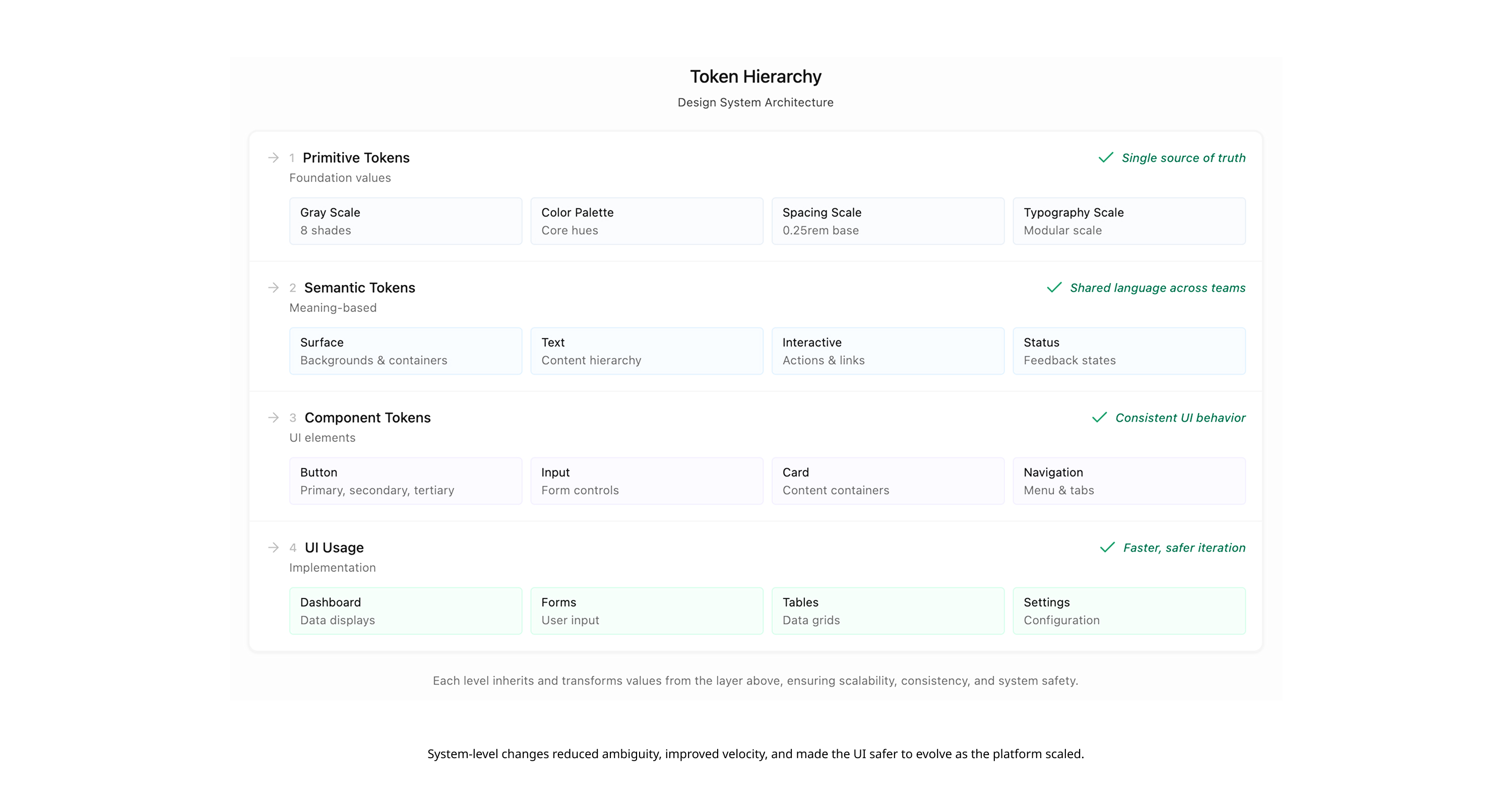
• Semantic Tokens: I introduced a token-based system (Surface, Component, State) that moved the conversation from "What color is this?" to "What is this color’s purpose?"
• Engineering Alignment: Synced Figma styles with Storybook and code, reducing UI-related PR cycles by 15%.
No 9Design Leadership & Collaboration
How I Worked
• Partnered closely with Product and Engineering from discovery through delivery
• Balanced near-term delivery with long-term system health
• Advocated for UX in operational, data-heavy, revenue-critical contexts
What I Learned
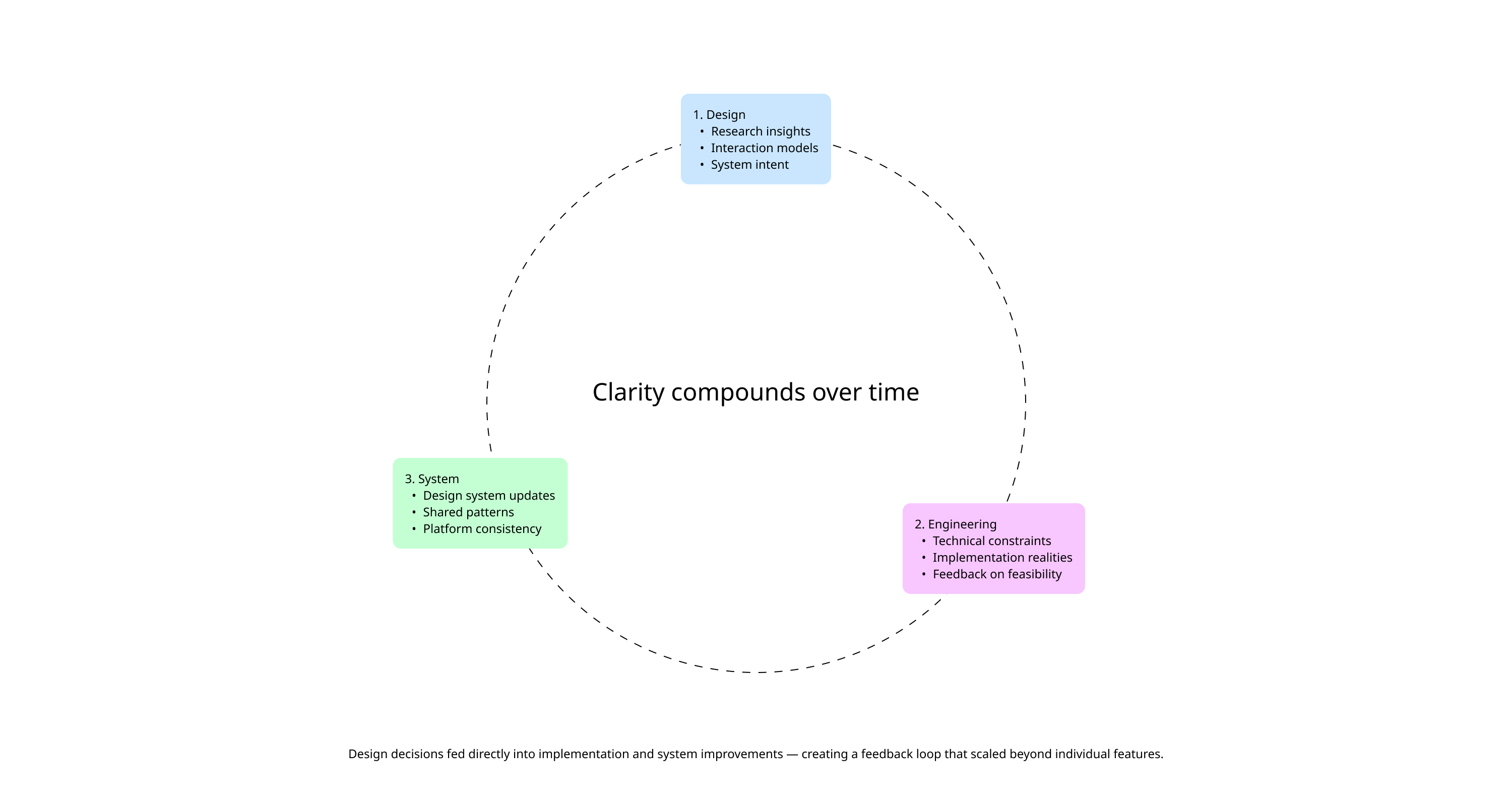
• Small system decisions compound quickly
• Internal tools deserve the same UX rigor as customer-facing products
• Clarity is a growth lever, not a nice-to-have
No 10Closing
Why This Matters
At Voltus, I wasn’t just shipping features — I was helping the platform mature.
This experience shaped how I think about:
• Designing under operational and technical constraints
• Scaling systems alongside fast-growing products
• Creating clarity in complex, data-heavy domains
Screens anonymized and simplified to protect confidential information.